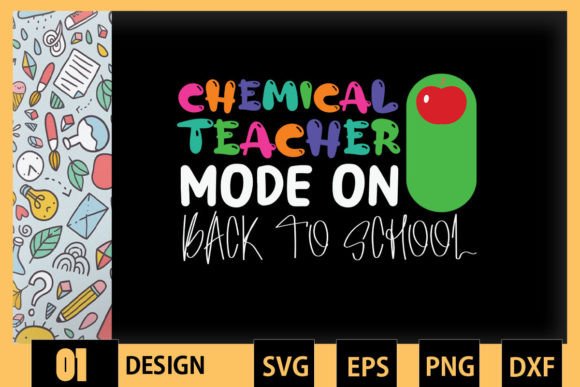
Chemical Teacher Mode on Back to School: What You Need to Know
If you're preparing for the back-to-school season and looking for a unique way to engage students or share your passion for chemistry, Chemical Teacher Mode on Back to School could be a valuable tool. This concept is designed to help educators and enthusiasts create interactive, educational content that brings the world of chemistry to life. Whether you're a teacher, a hobbyist, or someone who loves science, understanding what Chemical Teacher Mode on Back to School includes can make all the difference in how you use it effectively.
What Is Included in Chemical Teacher Mode on Back to School?
The Chemical Teacher Mode on Back to School package typically comes as a ZIP file containing multiple design files. These include an SVG file, a PNG file, a DXF file, and an EPS file. Each of these formats serves a specific purpose and offers different advantages depending on your needs.
- SVG File: This scalable vector graphic is ideal for digital projects and can be easily resized without losing quality. It's perfect for creating custom designs for classroom materials or digital presentations.
- PNG File: The PNG file is pre-sized and formatted in high resolution, making it suitable for print or online use. Its transparent background allows for seamless integration into various backgrounds and layouts.
- DXF File: This format is commonly used in design software and is ideal for those who want to create physical items like stickers, signs, or custom labels using a vinyl cutter.
- EPS File: The Encapsulated PostScript file is another vector format that’s widely used in professional design environments. It offers high-quality output and is compatible with most design programs.
All files come with a transparent background, which makes them versatile for a range of applications. However, it's important to understand the compatibility and intended use of each file type before proceeding.
Common Mistakes and Misunderstandings
One of the most common mistakes people make when working with Chemical Teacher Mode on Back to School is not checking the compatibility of the files with their design software. For instance, while SVG files are widely supported, some users may not be familiar with programs like Circuit Design Space or Silhouette Studio, which are often required to work with these files effectively.
Another misunderstanding is assuming that all files are interchangeable. For example, a PNG file may look great on a screen, but if you plan to print it, you might need a higher-resolution version or a vector file for better clarity. Similarly, a DXF file may not open directly in a standard image editor, so knowing which program to use is crucial.
Some users also overlook the importance of checking the dimensions and scaling of the files. If the SVG file isn't sized correctly, it may not fit your project’s requirements, leading to frustration and wasted time.
How These Mistakes Can Affect Your Results
Failing to understand the differences between file types can lead to poor results, especially if you’re planning to use the designs for a presentation, a classroom activity, or a marketing campaign. For example, if you try to print a PNG file at a large size without proper resolution, the image may appear blurry or pixelated, which can undermine the professionalism of your work.
Incorrectly applying a design can also affect usability. If the files aren’t properly formatted, they may not align correctly with your project’s layout, leading to inconsistencies or errors in the final product. Additionally, if you don’t have the right software to open the files, you might end up spending unnecessary time trying to figure out how to use them, which can slow down your workflow.
Practical Advice for Avoiding Common Pitfalls
To avoid these issues, start by familiarizing yourself with the file types included in the Chemical Teacher Mode on Back to School package. Take a moment to review the documentation or instructions that came with the download to understand which files are best suited for your needs.
If you're planning to use the SVG or DXF files, make sure you have the appropriate design software installed. Programs like Silhouette Studio or Circuit Design Space are essential for working with these formats. If you're unsure about which program to use, consider testing the files in a free trial version before committing to a purchase.
Before printing or using the files in a project, always check the resolution and dimensions. For high-quality prints, aim for at least 300 DPI, and ensure that the file size matches your project’s requirements. If you're using the PNG file, verify that the transparent background is preserved to avoid unwanted elements appearing in your final design.
Realistic Examples and Better Approaches
Imagine you're preparing a classroom activity that involves creating custom lab equipment labels. Using the SVG file, you can scale the design to fit your labels perfectly. However, if you attempt to use the same file in a program that doesn’t support vector graphics, you may encounter issues with clarity or formatting.
Alternatively, if you're designing a promotional poster for a science fair, the PNG file could be an excellent choice due to its high resolution and transparent background. But if you try to resize it too much, you might notice a loss of quality, which could detract from the overall appearance of your poster.
A better approach would be to use the SVG file for scalable elements like icons or logos, and the PNG file for images that require high detail. By understanding the strengths of each file type, you can create more professional and visually appealing results.
What to Check Before Making a Decision
Before diving into your project, take the time to assess your needs and goals. Ask yourself: What will I be using the files for? Do I have the necessary software to work with them? Am I comfortable with the file formats provided?
Additionally, consider the intended audience. If you're creating materials for students, clarity and ease of use are essential. If you're presenting to professionals, high-quality and precise designs may be more important. Understanding your audience can help you choose the right tools and approaches.
Finally, don’t hesitate to reach out to the provider or community for support. Many creators offer resources, tutorials, or forums where you can ask questions and get guidance on how to use the files effectively.